
Free ACT Practice Test – Real Exam Simulation
Get ready for the ACT with a free full-length ACT practice test designed by expert instructors. This practice test helps students experience the real exam format while identifying strengths and areas that need improvement.
Our ACT practice test includes realistic questions covering English, Math, Reading, and Science, allowing students to evaluate their readiness before the actual exam.
Start your free ACT practice test today and see your estimated ACT score instantly.
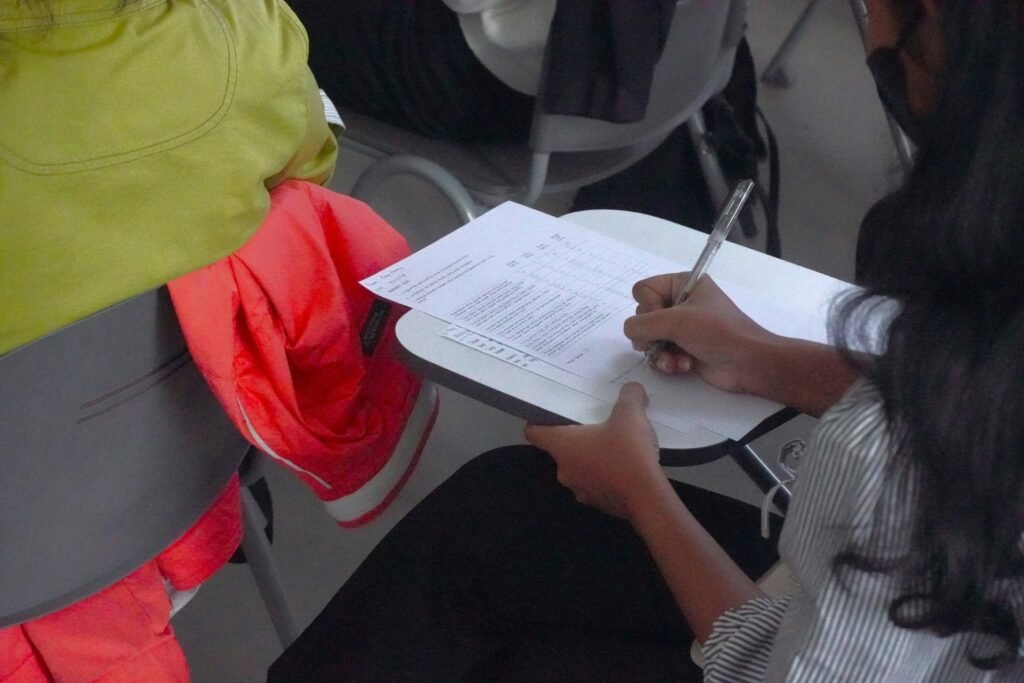
Free ACT Practice Questions
Practice is the most effective way to prepare for the ACT. Our free ACT practice test includes carefully designed questions that mirror the format and difficulty level of the actual exam.
Students preparing for the ACT can use these questions to:
- Become familiar with the ACT exam structure
- Improve time management skills
- Identify weak subject areas
- Build confidence before the official test
- Our system provides a Detailed Performance Analysis Report to help you understand your strengths and weaknesses.
Practice tests are one of the best ways to measure your preparation progress and understand what topics you need to review.
ACT Test Overview
The ACT is one of the most widely used college admission tests in the United States. It measures a student’s readiness for college-level academic work across multiple subjects.
The exam evaluates skills in:
- English
- Mathematics
- Reading
- Science reasoning
- Writing (optional)
Colleges use ACT scores to evaluate applicants during the admissions process.

ACT Exam Structure
The ACT consists primarily of multiple-choice questions and is designed to assess both knowledge and reasoning skills. The test contains approximately 171 questions and typically takes around three hours to complete.
ACT Section Breakdown
Test | Questions | Minutes per Test |
English | 50 (40 scored) | 35 |
Mathematics | 45 (41 scored) | 50 |
Reading | 36 (27 scored) | 40 |
Science (Optional) | 40 (34 scored) | 40 |
Writing (Optional) | 1 essay | 40 |
Students receive individual scores for each section, which are averaged to produce a composite ACT score between 1 and 36.
How Taking ACT Practice Tests Improves Your Score
Practice tests help students prepare strategically by revealing exactly what topics require more study.
When reviewing your practice test, pay special attention to:
- Questions you answered incorrectly
- Questions you guessed on
- Questions that took too long to solve
Analyzing these questions helps you identify weaknesses and improve your test-taking strategy.
Consistent practice also helps students:
- Improve accuracy
- Increase test speed
- Build confidence for test day
How to Use ACT Practice Tests Effectively

1. Start with an Untimed Practice Test
Take your first test without time pressure. Focus on understanding the questions and applying strategies.

2. Practice With a Timer
During your second attempt, set a timer to simulate real exam conditions.

3. Simulate Test Day
Take full-length practice tests in a quiet environment with no notes or study materials.

4. Review Your Mistakes
Analyze incorrect answers and study those concepts before taking another practice test.
Why Choose Test Prep Pundits for ACT Preparation?
Test Prep Pundits provides personalized ACT preparation programs designed to maximize student scores.
Our ACT preparation services include:
- One-on-One ACT Tutoring
- Personalized ACT Prep Classes
- Diagnostic Practice Tests
- Score Improvement Strategies
- College Admissions Counseling
Our experienced instructors work closely with students to develop custom study plans based on their strengths and weaknesses.
Frequently Asked Questions
The ACT contains about 171 multiple-choice questions across four main sections.
The full ACT exam typically takes about three hours to complete, excluding the optional writing section.
The highest possible ACT composite score is 36.
Many colleges consider a score above 20 to be competitive, although top universities may require higher scores.
Students should take practice tests regularly during preparation to track progress and identify weak areas.