
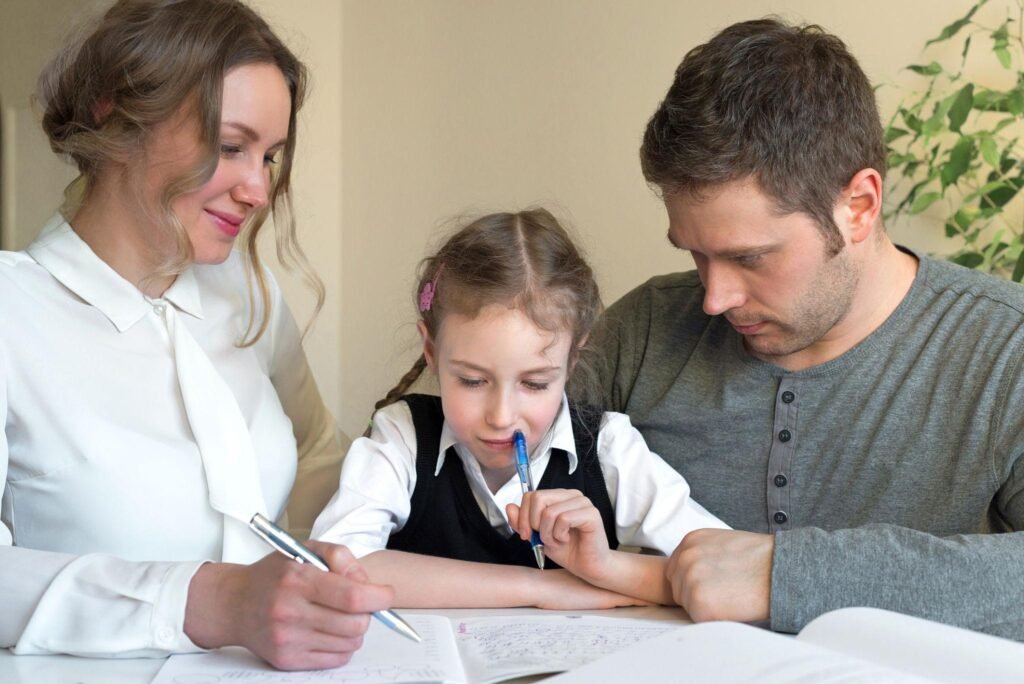
My Child Is in Elementary School – How Can I Really Help?
Watching your child begin elementary school is exciting, but it also brings new questions.
Many parents wonder:
- Am I doing enough?
- How can I improve my child’s reading skills?
- Should I start academic preparation this early?
- What if my child struggles with math?
- How involved should I be?
The good news is that you don’t need to become a teacher to help your child succeed.
Small, consistent habits during the elementary years create the strongest foundation for lifelong academic success.
Quick Answer
If you’re wondering “How can I help my elementary school child succeed?”, focus on five daily habits:
- Read together for 15–20 minutes every day.
- Encourage math through everyday activities.
- Maintain a consistent homework routine.
- Communicate regularly with teachers.
- Celebrate effort instead of only grades.
Research consistently shows that early parent involvement has a lasting positive impact on children’s academic performance.
Why Elementary School Is the Most Important Stage of Learning

Many families think serious academic preparation begins in middle school or high school.
In reality, elementary school lays the foundation for every future subject.
Children who develop strong reading comprehension, number sense, curiosity, and study habits early are better prepared for:
- Middle school
- High school
- SAT® and ACT® preparation
- AP® courses
- College admissions
Learning builds step by step. When foundational skills are strong, students gain confidence and become independent learners.
Why Reading Skills Matter So Much

Reading is much more than recognizing words.
Strong readers can:
- Understand science lessons
- Solve math word problems
- Follow classroom instructions
- Learn independently
- Think critically
Children who struggle with reading often find other subjects more challenging because reading is the foundation of learning.
According to the research referenced in the original article, children who are not reading proficiently by the end of third grade are significantly more likely to face long-term academic difficulties.
How Are Elementary Students Performing Today?
Recent national assessments show why early support matters.
Highlights include:
- Only 31% of fourth-grade students perform at or above the proficient reading level.
- Approximately 40% score below the basic reading benchmark.
- About 39% reach proficiency in mathematics.
- Nearly 24% perform below the basic level in math.
These statistics do not predict any individual child’s success, but they reinforce the importance of identifying learning gaps early.
7 Ways Parents Can Support Elementary School Success
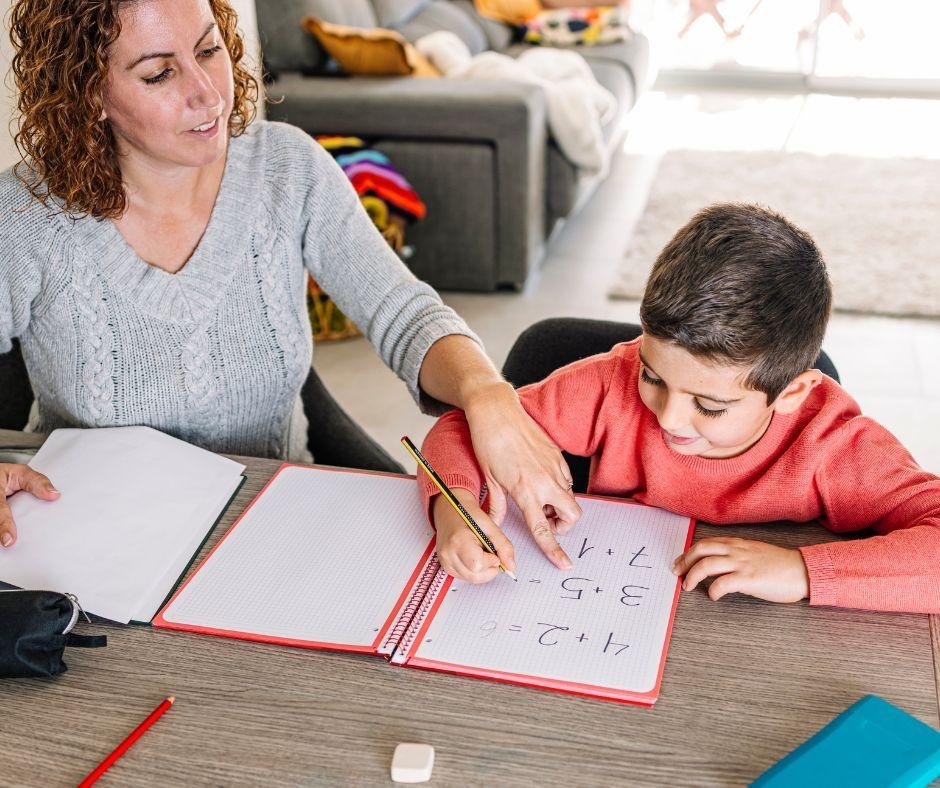
1. Read Every Day
Reading together for just 15–20 minutes each day improves vocabulary, comprehension, and confidence.
2. Make Math Part of Daily Life
Use everyday opportunities like:
- Cooking
- Shopping
- Measuring
- Counting money
- Telling time
These experiences naturally strengthen mathematical thinking.
3. Create a Consistent Homework Routine
Choose:
- A quiet study space
- A regular homework time
- Limited distractions
- Adequate sleep
Consistency helps children develop responsibility and focus.
4. Stay Connected With Teachers
Regular communication helps identify:
- Learning gaps
- Behavioral changes
- Strengths
- Areas needing additional support
Small concerns are easier to address before they become larger challenges.
5. Praise Effort Instead of Perfection
Instead of saying:
“You’re so smart.”
Try saying:
“I’m proud of how hard you worked.”
This encourages resilience and a growth mindset.
6. Identify Learning Gaps Early
If reading or math becomes a daily struggle, early assessment can help determine the best support rather than waiting for report cards.
7. Encourage Curiosity
Children learn best when they ask questions.
Visit libraries, museums, parks, and science centers whenever possible to make learning enjoyable.
Free Resources You Can Start Today
You don’t need a big budget to support your child’s learning. These trusted, free resources can help strengthen reading, math, and study skills at home.

- 📚 Khan Academy Kids (Ages 2–8): Interactive reading, phonics, and math activities.
- 🎮 PBS KIDS: Educational games and videos aligned with elementary learning.
- 📖 Reading Rockets: Research-based reading strategies and literacy tips for parents.
- 📚 Your Local Public Library: Free books, reading programs, homework help, and learning events.
- 🎲 Starfall & ABCya: Fun reading and math games that make learning enjoyable.
- 📝 Test Prep Pundits Blog: Free parent guides, grade-by-grade learning tips, and early academic preparation advice.
Tip: Start with one or two resources and spend 15–20 minutes each day reading, practicing math, or exploring educational activities together. Small, consistent habits can make a lasting difference in your child’s academic success.
How Test Prep Pundits Supports Elementary Students
Test Prep Pundits believes academic success begins long before standardized tests.
Our elementary support focuses on:
- Reading fluency
- Number sense
- Study habits
- Personalized learning plans
- Parent communication
- Long-term academic confidence
By strengthening foundational skills early, students are better prepared for future academic milestones, including middle school, high school, and college readiness.
Frequently Asked Questions
How can I help my child succeed in elementary school?
Build consistent routines that include daily reading, everyday math practice, regular communication with teachers, and positive encouragement.
Why is elementary school important?
Elementary school develops reading, math, problem-solving, and study skills that support future academic success.
How much should parents read with their child?
Around 15–20 minutes of shared reading each day is a simple, effective habit that supports literacy development.
Should I worry if my child struggles with reading?
Occasional difficulty is normal, but persistent struggles are worth discussing with your child’s teacher or an educational specialist.
Does parental involvement really improve academic performance?
Yes. Research summarized in the source article reports a consistent positive relationship between parent involvement and children’s academic achievement.
Final Thoughts
Elementary school is where lifelong learning habits begin. While every child develops at their own pace, small, consistent support at home can make a meaningful difference. By encouraging reading, practicing math in everyday situations, maintaining open communication with teachers, and creating positive learning routines, parents can help children build the confidence and skills they need for future success.